Blow Universe
DISCOVER THE LATEST NEWS
AND BE PART OF THE BLOW UNIVERSE
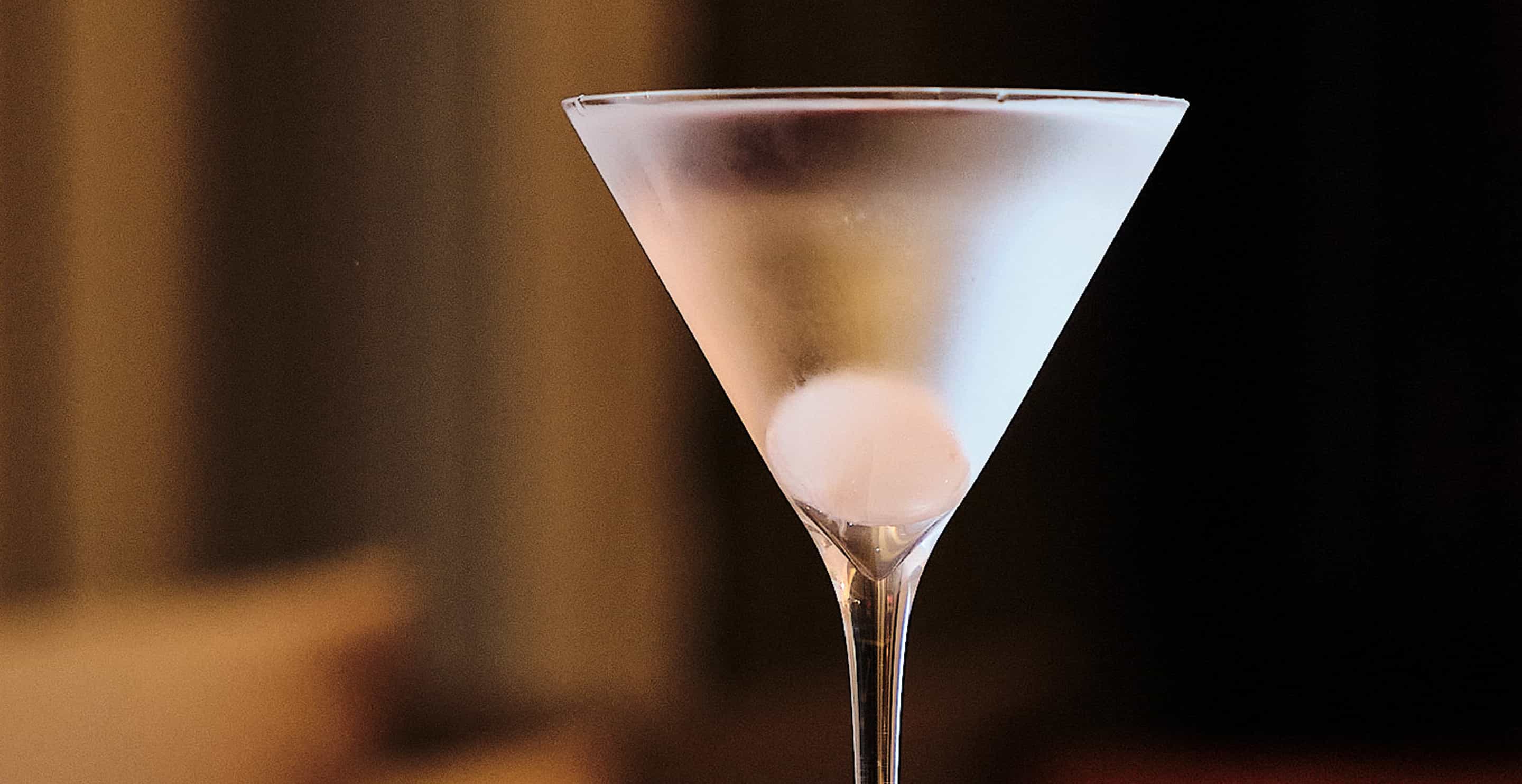
Essential elements for a modern hotel bar: from the cocktail menu to the selection of glassware.
In today’s competitive hotel industry, the hotel bar has become a key touchpoint for the customer experience and brand differentiation. It is no longer just a place to have a drink; it is now a space where design, service, and storytelling come together to create memorable moments and generate revenue.
Building the Foundation: A Solid Cocktail Program
A successful hotel bar starts with a well-structured cocktail menu. The goal is to strike a balance between familiarity and innovation, offering guests both timeless classics and exclusive signature creations.
Including iconic options such as the Negroni or the Espresso Martini ensures accessibility, while house cocktails allow the brand to express its identity. Seasonal ingredients, local sourcing, and low-alcohol or non-alcoholic alternatives are becoming increasingly important for meeting the preferences of modern consumers.
Bar Design and Operations: Efficiency Meets Experience
Design isn't just about aesthetics; it directly affects performance. A well-organized bar layout improves workflow, reduces service time, and increases consistency.
From the layout of the counter to ergonomic configurations, every detail must be optimized to achieve maximum efficiency. Standardized recipes and staff coordination are essential for maintaining quality during periods of high demand.
A Culture of Employee Training and Service
Behind every great hotel bar is a skilled and knowledgeable team. Today, bartenders serve as both mixologists and brand ambassadors.
Ongoing training in mixology techniques, knowledge of spirits, and customer service ensures a high level of service. A well-trained team can enhance the customer experience through personalized recommendations and a confident presentation of their offerings.
Menu Design and Profitability
A cocktail menu should be more than just visually appealing: it should be strategically designed to maximize profitability.
Menu engineering involves highlighting high-margin beverages, using persuasive descriptions, and guiding customers’ choices through design and structure. Signature cocktails must balance creativity with cost control to ensure sustainable margins.
Choosing Glassware: Enhancing Perception
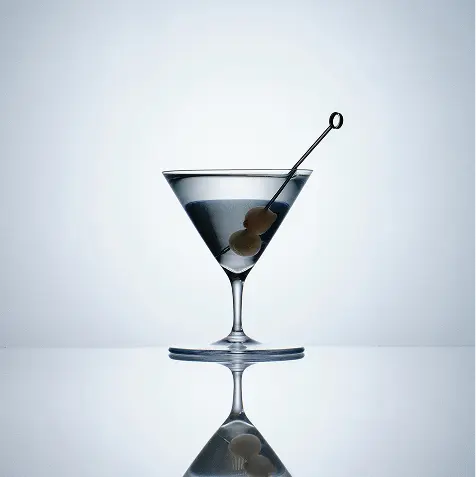
Glassware plays a crucial role in the overall dining experience. The right glass enhances the aroma, maintains the temperature, and elevates the presentation.
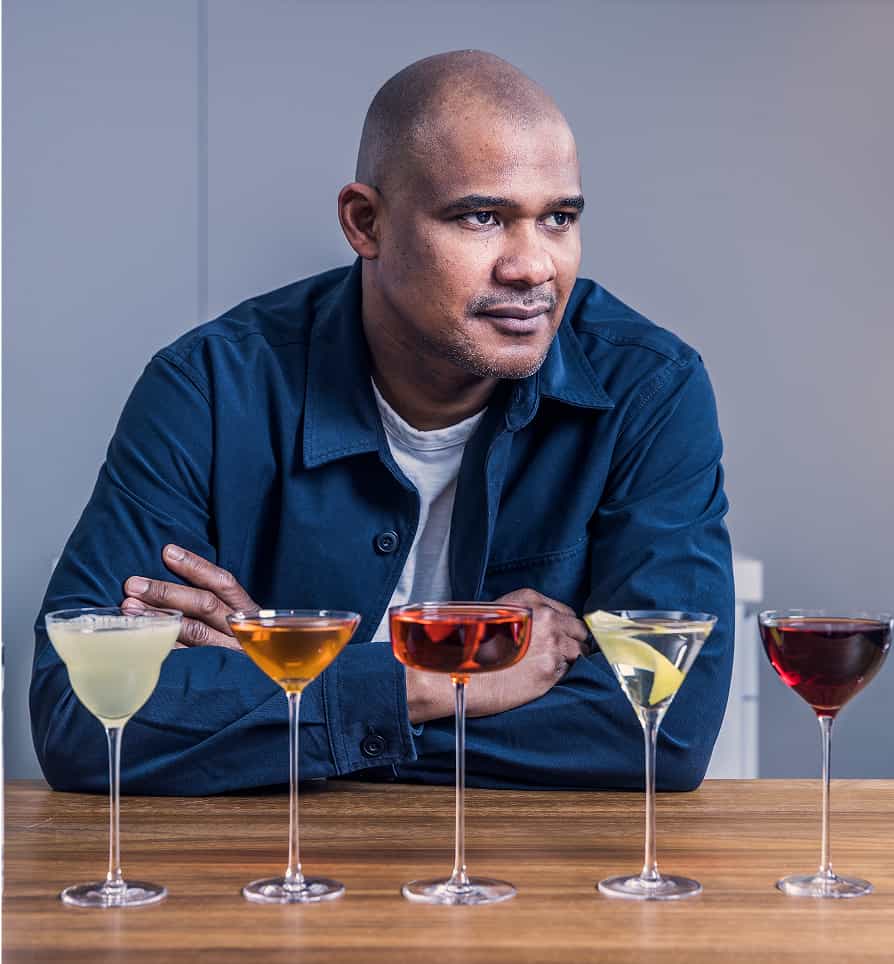
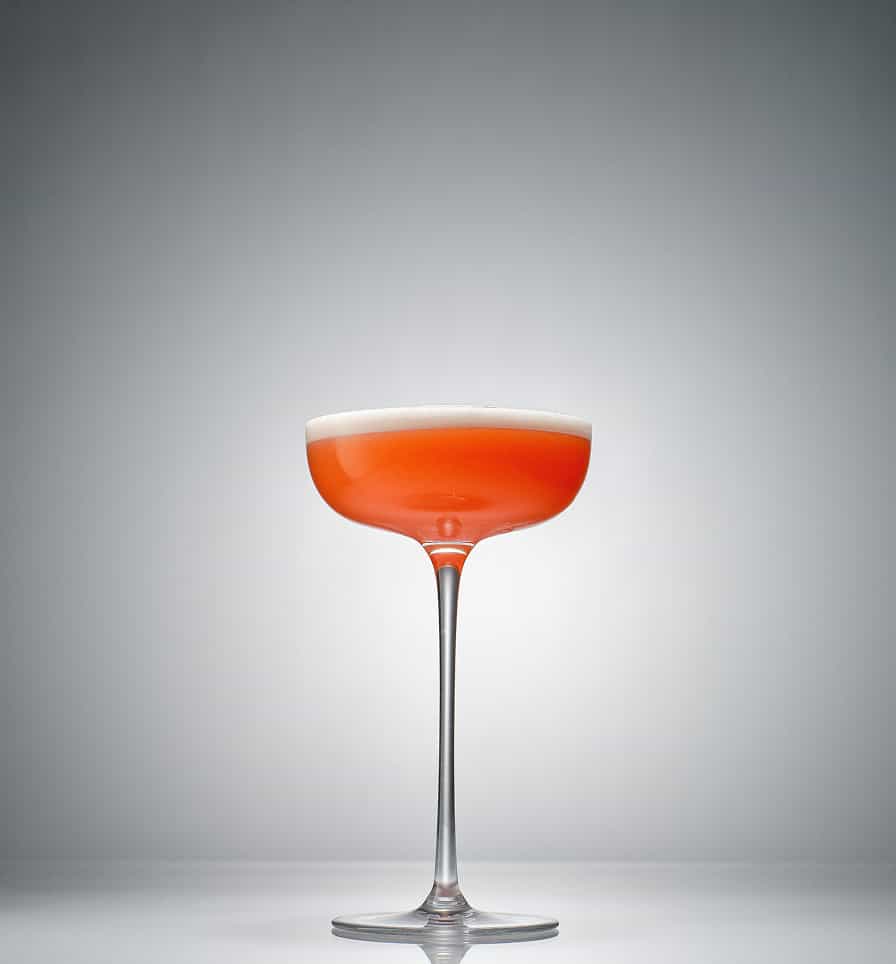
From elegant coupes to classic highball glasses, every choice contributes to the perception of quality. A consistent glassware collection that reflects the brand’s identity also reinforces the hotel’s identity and visual consistency.
The Role of the Environment: Lighting, Music, and Atmosphere
Atmosphere is a powerful driver of consumer behavior. Lighting, music, and interior design must align with the hotel's concept and its target audience.
A well-designed atmosphere encourages customers to relax, stay longer, and spend more. Subtle details such as scent, acoustics, and seating comfort can significantly enhance the overall experience.
Integrating Technology into Modern Bar Operations
Technology is transforming the way hotel bars operate. From advanced POS systems to digital menus and inventory management, modern tools improve efficiency and decision-making.
Data analysis also allows hotels to better understand their guests' preferences, enabling them to offer more personalized promotions and implement smarter pricing strategies.
Sustainability as a Competitive Advantage
Sustainability has become a key factor in the hospitality industry. Hotel bars are increasingly adopting environmentally friendly practices, such as reducing waste, eliminating single-use plastics, and using locally sourced ingredients.
These initiatives not only reduce operating costs but also appeal to eco-conscious travelers.
Upselling Strategies and Revenue Optimization
Revenue growth isn't just about setting prices; it's a matter of strategy. Effective upselling techniques include recommending premium spirits, suggesting pairings, and offering personalized experiences.
When done correctly, upselling improves the customer experience while increasing average spending per person.
Creating an Author's Identity
The most successful hotel bars stand out because they offer something unique. Whether they draw inspiration from local culture, a luxury positioning, or innovative concepts, having a strong identity is essential.
Signature cocktails, distinctive glassware, and a cohesive brand all contribute to creating a memorable and unique experience.
Frequently Asked Questions About the Essentials of a Hotel Bar
What items are usually found in a hotel minibar?
A hotel minibar typically includes bottled water, soft drinks, alcoholic beverages such as beer, wine, and miniature bottles of liquor, snacks such as potato chips or nuts, and, occasionally, premium items such as chocolates or gourmet products. Higher-end hotels may also include coffee capsules and healthy options.
What are the essential elements of a bar?
A well-stocked bar should include a selection of spirits such as vodka, gin, rum, and whiskey; mixers; fresh ingredients such as citrus fruits and herbs; essential tools such as a shaker, jigger, and strainer; and the appropriate glassware. Organization and high-quality ingredients are key to efficient service.
What is a bar & lounge?
A bar & lounge is a hospitality venue that combines beverage service with a relaxed and comfortable atmosphere. Unlike traditional bars, lounges tend to focus more on the ambiance, seating, music, and providing a premium or social experience.
What products are sold at a bar?
Bars typically sell alcoholic beverages such as cocktails, wine, beer, and spirits, as well as non-alcoholic beverages such as soft drinks, juices, and mocktails. In addition, many establishments offer light meals, tapas, or small dishes tailored to their culinary concept.
What are the 5 M's of a barista or bartender?
The 5 Ms generally refer to the following elements:
Method
Preparation techniques and processes.
Raw Materials
Ingredients and tools used.
Machine
Equipment used during the service.
Labor
The professional's experience, skills, and education.
Maintenance
Cleanliness, quality control, and operational consistency.
What generates the most profit in a bar?
High-margin products, especially premium cocktails and signature drinks, tend to generate the highest profitability. Up-selling premium beverages and personalizing the customer experience can significantly increase revenue per service.
Conclusion
A modern hotel bar is a strategic asset that combines creativity, operational excellence, and a customer-centric approach. From designing an appealing cocktail menu to selecting the right glassware and optimizing service, every element plays a key role in shaping the guest experience.
Hotels that invest in these essential elements not only improve customer satisfaction and loyalty but also position themselves as leaders in an increasingly competitive market.